He Wants Immunity In The HeeHaw Donkey Case – And The New Filings Say His Bodycam Was Off

The officer who fired on HeeHaw the donkey during a midnight search for a missing girl now wants a federal judge to shield him personally from the family’s lawsuit — and new court filings say his body camera was never rolling that night.
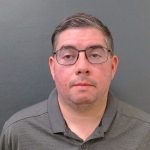
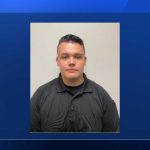
Cedartown Officer Trenton Garner filed a qualified immunity motion in late October, asking the court to toss the Israel family’s $1 million federal lawsuit against him personally. The argument: no reasonable officer would have known that firing on a pet donkey — during a search for a missing 12-year-old — violated clearly established law.
The new filings add a second problem for the record. Garner’s body camera was not running during the August 30 search, according to court filings first reported by Atlanta-area stations. The bodycam record released in recent weeks does catch one thing on tape — Garner’s answer of “I don’t know” when asked about the moment — but the key stretch of that night came back silent, because the camera was never rolling.
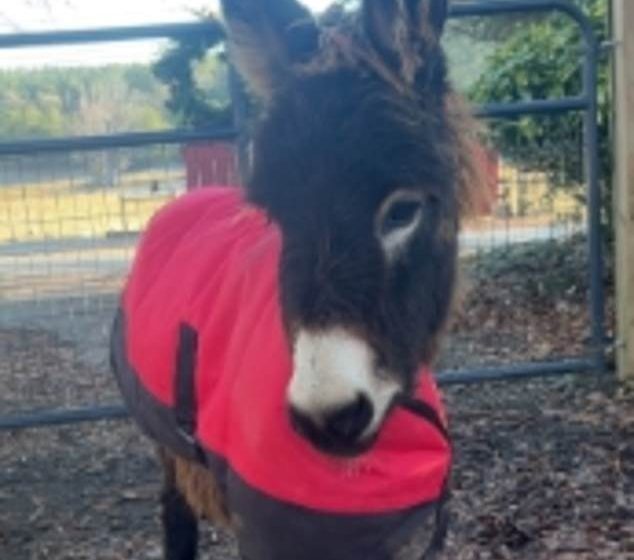
The full timeline, as established in court records: August 30 — a drone overhead, a failed Taser attempt, a police dog on the fence line, all hunting for missing 12-year-old Hannah Israel in the dark. Somewhere in that midnight pasture, Garner fired on HeeHaw, the Israel family’s bottle-raised miniature donkey. The girl was found safe that same night. The round ended the donkey’s life.
In September, the family sued in federal court — a Fourth Amendment seizure claim under Section 1983, seeking $1 million from Garner personally. His first move in the case was a motion to dismiss. The immunity claim is the second.
To date, Garner faces no criminal cruelty charges and has not been fired — he remains on administrative leave while the immunity fight plays out. The case has drawn national attention: CBS covered the immunity dispute this week, and a Cato Institute commentary ran under the headline “No Justice for Heehaw.”
So does qualified immunity fit what happened in that midnight pasture — or does a jury deserve this one? That call now belongs to a federal judge in Georgia.