
This story comes from the United Kingdom — it’s part of a worldwide pattern of undercover officers deceiving the women they were supposed to be investigating, and Britain is now deciding whether anyone goes to prison for it.
For roughly forty years, undercover police officers in Britain infiltrated political groups and formed intimate relationships with the women they were spying on. Now, for the first time, prosecutors are weighing criminal charges against a dozen of them.
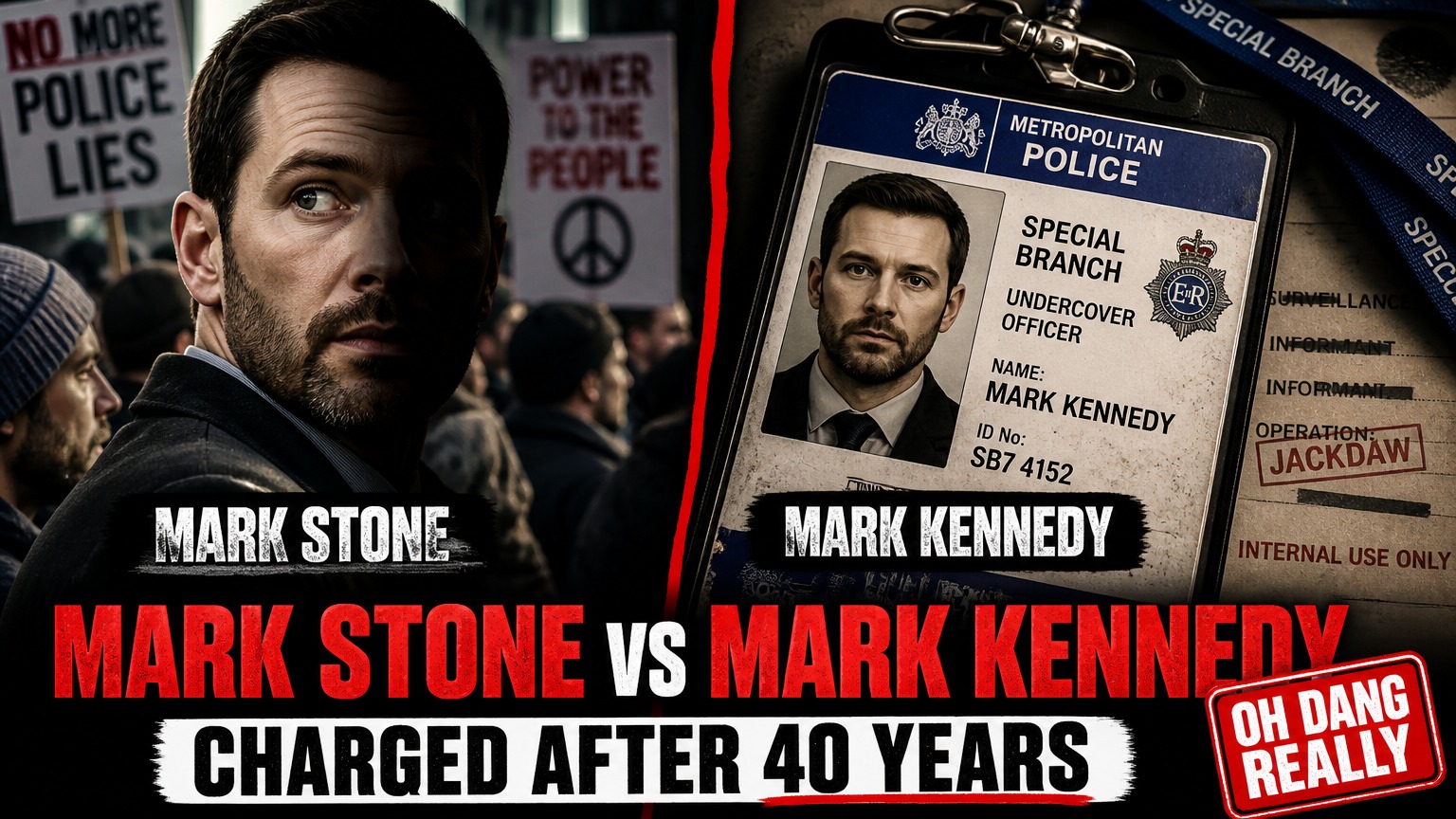
The Crown Prosecution Service is considering misconduct-in-public-office charges against twelve former officers in the scandal known as “spycops” — including Mark Kennedy, the most famous undercover officer of them all. The National Police Chiefs’ Council formally sent the prosecutors’ file on August 30, according to the Guardian, which has covered the scandal for more than a decade.
What the officers did
Between 1968 and at least 2010, more than 100 undercover officers infiltrated activist movements across the UK. The Metropolitan Police later admitted the relationships were systemic, apologized publicly, and agreed the practice was a violation of the women’s human rights. At least 139 officers have been implicated in the investigations that followed.
Two women forced the reckoning. Lisa Jones exposed Mark Kennedy in 2010 after discovering the man she’d loved for six years was a police officer whose real name she’d never known. Kate Wilson took her case to tribunal and won in 2021 — a ruling that found her relationship with an undercover officer violated her human rights, with judges comparing the deception to torture in its invasion of mental integrity.
Why the charges matter
No officer has ever faced criminal charges for the relationships. Complaints went to the police, the police investigated themselves, and the result was always the same: no charges. The 12-officer file now with the CPS is the first time anyone has tried to change that — and misconduct in public office carries a maximum of life imprisonment, though sentences for the offense are typically far shorter.
A CPS decision is expected in the coming months. Whatever it decides will either criminalize the practice for the first time in British history — or confirm that forty years of deception carries no consequence at all.
This post will be updated when the CPS announces its decision.
American police have their own undercover-deception cases — and their own record of internal investigations ending in no charges. If Britain’s prosecutors finally cross the line, every department watching will have one less place to hide.
Sources
The Guardian (Rob Evans) · National Police Chiefs’ Council filing · UK CPS
☕ Support this desk — buy us a coffee · tips fund records requests and server time